 Cutting
Essential Leather Cutting Techniques
A breakdown of the tools and methods used to cut vegetable-tanned and chrome-tanned leather cleanly — from utility knives to strap cutters.
Read article →Leather Crafting & Tool Care — Canada
Practical notes on working with full-grain and vegetable-tanned leather — from choosing cutting tools to maintaining finished pieces through Canadian winters.
Articles
Cutting
A breakdown of the tools and methods used to cut vegetable-tanned and chrome-tanned leather cleanly — from utility knives to strap cutters.
Read article → Stitching
Saddle stitch, whip stitch, and running stitch explained with notes on thread choice, awl sizing, and stitch spacing for durable seams.
Read article →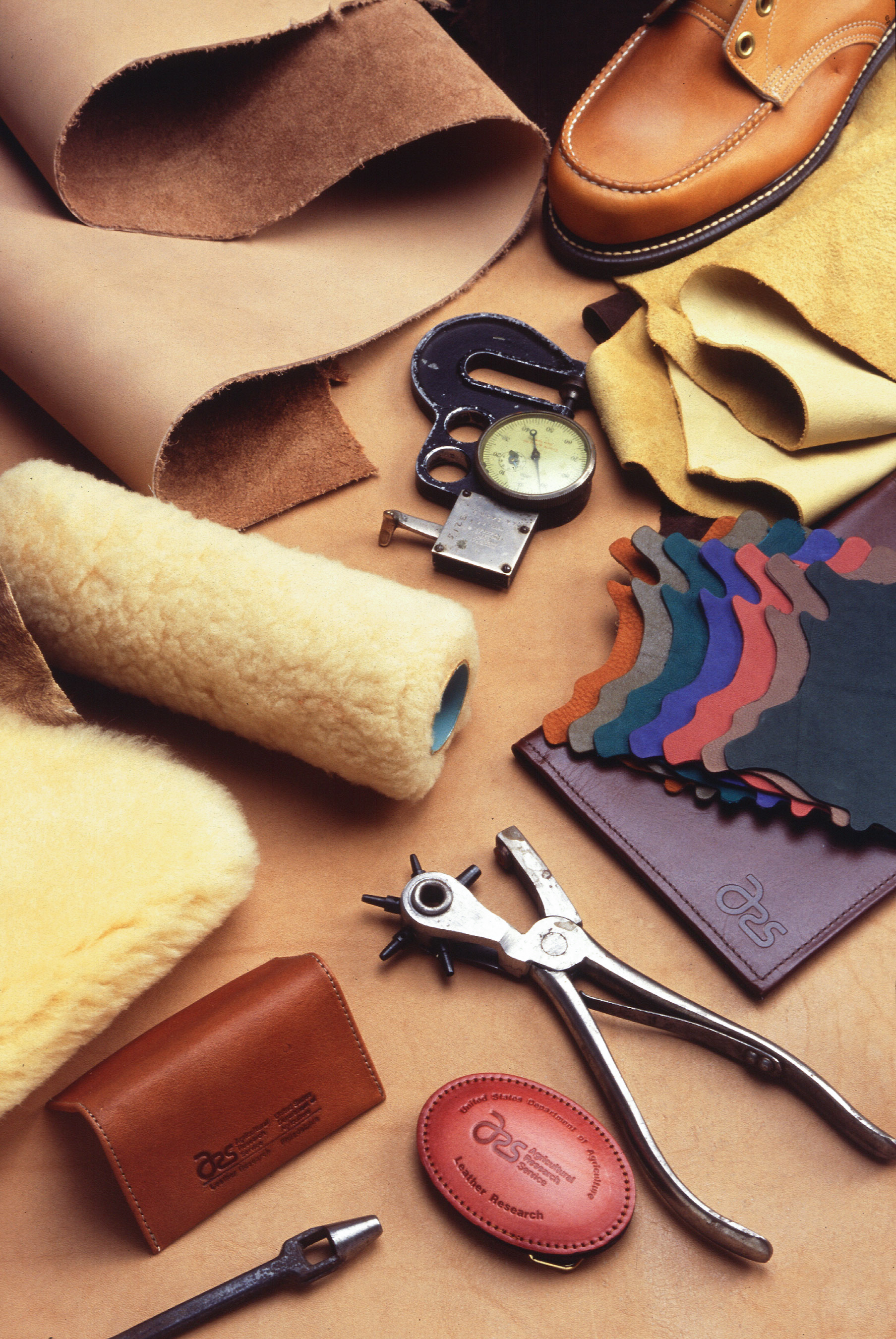 Care
Care
How to clean, condition, and store leather goods year-round, with attention to humidity changes common in Canadian climates.
Read article →Overview
Leather working is a broad craft. This site focuses on three interconnected areas: how leather is cut, how pieces are joined by hand, and how finished goods are maintained over time.
The articles draw on widely documented techniques used by craftspeople in Canada and internationally. No proprietary methods or brand endorsements are included.
Content is updated periodically as practices evolve — particularly around conditioning products, many of which have changed formulations in recent years.
Quick Reference
| Tool | Primary Use |
|---|---|
| Swivel knife | Carving decorative cuts |
| Strap cutter | Uniform-width straps |
| Pricking iron | Marking stitch spacing |
| Edge beveler | Rounding cut edges |
| Wing divider | Marking stitch lines |
Contact
Questions about content accuracy or article suggestions can be submitted using this form. Responses are not guaranteed but submissions are read.
Tanexresol